
Grease Fire on the Stove? Skip the Water and Smother It
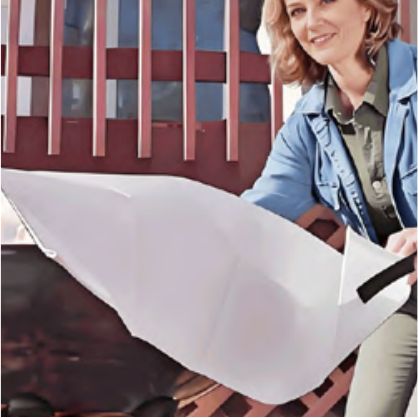
A pan of hot oil catches fire fast. Your hand may go straight to the sink. Stop. The first rule of a grease fire is the one you need to know before it happens.
The rule: never throw water on a grease fire
NFPA and the US Fire Administration give the same instruction: never throw water on a grease fire. Treat it as a hard rule with no exceptions.
Cooking is the leading cause of home fires and home fire injuries in the United States, according to NFPA. Thanksgiving is the peak day for home cooking fires. Most people will face a smoking or burning pan at some point, so a plan is worth having.
What to do instead for a small pan fire
NFPA’s advice for a small pan fire on the stovetop is to smother the flames. Cutting off the air is the goal, and a lid is the tool. Keep a lid that fits your pans within reach when you cook.
- Slide a lid over the pan.
- Turn off the burner.
- Leave the pan covered until it is completely cool.
Do not lift the lid to check. A pan that looks calm can still be hot. Wait until it is completely cool.
If the fire is in the oven
An oven fire calls for the opposite of action. NFPA says to turn off the heat and keep the door closed. Do not open the door to look or to try to fight it.
When to get out
Some fires are too big to handle. NFPA puts it simply: when in doubt, get out. Use this order if the fire is spreading or you are unsure.
- Leave the home right away.
- Close the door behind you to help contain the fire.
- Call 9-1-1 from outside.
Do not go back in for the pan, for pets or for belongings. Do not stop to fight a fire that is growing.
Your escape plan matters here. NFPA says a home fire escape plan should include two ways out of every room and an outside meeting place. Walk through it with everyone in the home, kitchen included.
Where a fire blanket fits
A fire blanket is a second tool for the kitchen. It is for small, starting fires only. If a lid is missing or does not fit, a blanket gives you another way to cut off the air. It does not replace the lid, and it does not change the rule about leaving when a fire spreads.
The FireHush Fire Blanket is woven fiberglass, 0.43 mm thick, in a wall-mount pouch with pull tapes. You pull the two tapes and lay the blanket over a small fire. The material is rated 550 to 1,100 °C (1,022 to 2,012 °F). It comes in six sizes, from 1.0 x 1.0 m (39 x 39 in) to 2.0 x 2.0 m (79 x 79 in).
If you want a softer feel on the skin, look at the Silicone Coated Fire Blanket. The silicone coating holds fibers in, and the manufacturer says the coating is non-irritating. It has the same thickness, heat rating and six sizes.
Mount the pouch where you can grab it without reaching over the burners. If the fire is on the stove, you do not want your arm across the flames to get to it.
Replace a blanket after use
A fire blanket is single use. Replace it after you use it on a fire.
Ask about standards
ASTM F1989 is the US standard specification for cooking fire suppression blankets. It covers flexibility, ease of removal, electrical resistance and fire performance. When you shop for any kitchen blanket, ask the seller which test reports exist for the exact product you are buying.
A quick plan to set up this week
Keep a lid that fits each pan near the stove. Decide where a blanket would hang. Make sure everyone in the home knows the rule about water. Then practice the escape route, including the outside meeting place.
If a small pan fire starts, smother it. If anything feels out of control, get out, close the door and call 9-1-1 from outside.
Products in this guide
- Fire Blanket: A fiberglass fire blanket in a quick-pull pouch for the kitchen, grill, car or workshop. Pull the two tapes, lay it over a small fire and cut off the air.
- Silicone Coated Fire Blanket: Fiberglass fire blanket with a silicone coating that holds fibers in and feels soft on skin. Same quick-pull pouch, six sizes.
Questions people ask
Can I use water on a small grease fire?
No. NFPA and the US Fire Administration both say never throw water on a grease fire. For a small stovetop pan fire, slide a lid over the pan and turn off the burner. Leave the pan covered until it is completely cool.
What if I do not have a lid that fits?
A fire blanket can be a backup for a small, starting fire. Pull the two tapes and lay it over the fire to cut off the air. If the fire is spreading, do not fight it. Get out, close the door and call 9-1-1.
What should I do if the fire is in my oven?
NFPA says to turn off the heat and keep the oven door closed. Do not open it to look. If the fire spreads or you are unsure, get out, close the door behind you and call 9-1-1 from outside.
If a fire is spreading, get out, close the door behind you and call 911.
Questions about a product or a situation at home? Message us on WhatsApp.